Precautions for Processing Stainless Steel Auger Flights
Stainless steel auger flights are increasingly common across various industries, especially in certain sectors where material conveying requires them. For food safety reasons, the food processing industry requires food-grade 304 stainless steel for auger flights. In the chemical industry, the service life of the auger flights is a key consideration, as they frequently come into contacting with chemical raw materials, requiring strong corrosion resistance. Therefore, corrosion-resistant 316 stainless steel is preferred.
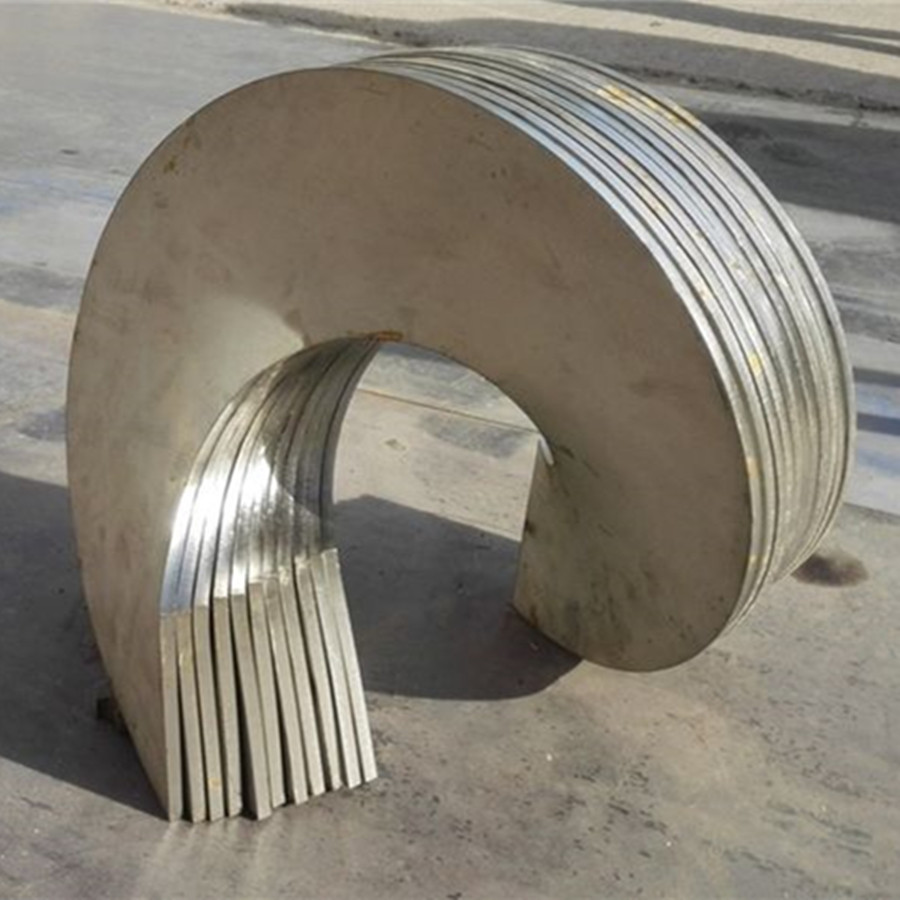
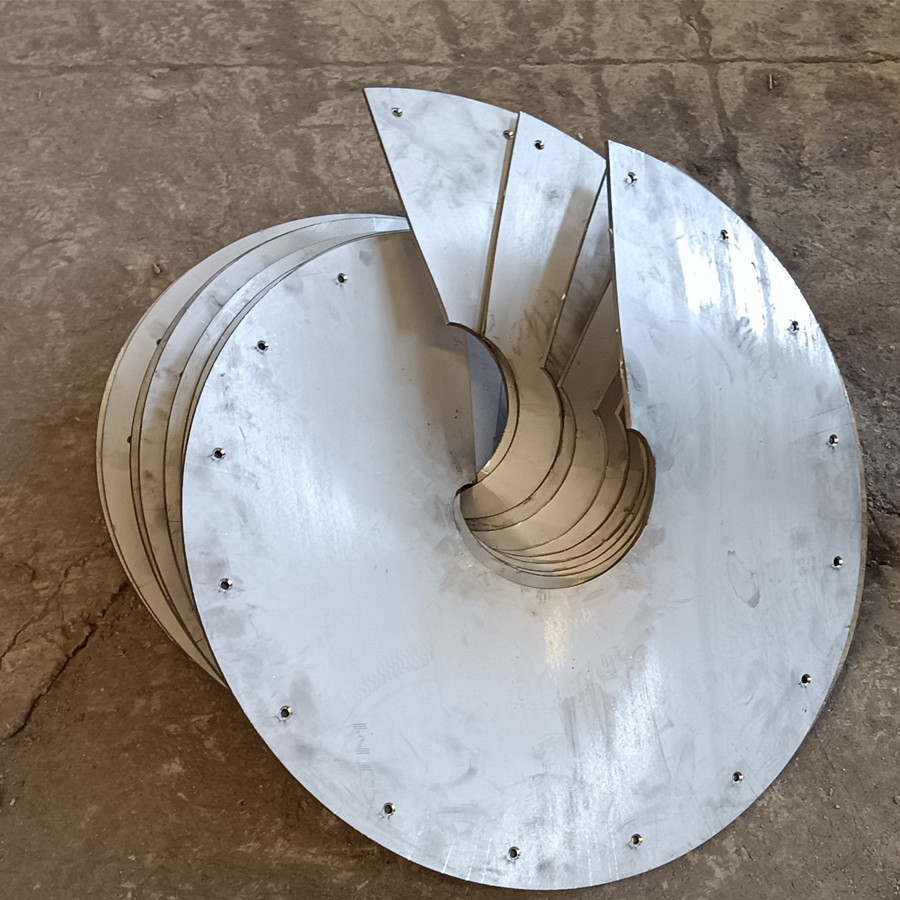
Stainless steel and carbon steel auger flights differ in many ways. Firstly, the ductility of carbon steel is greater than that of stainless steel. When cutting the material, it’s important to consider increasing the size of the material to compensate for the reduced ductility. Given the same auger flight dimensions, when using carbon steel and stainless steel, the stainless steel flight will be smaller, with a smaller outer diameter, inner diameter and pitch. Therefore, the ductility should be factored into the cutting dimensions, and the outer diameter and inner diameter of the stainless steel auger flights should be appropriately increased.
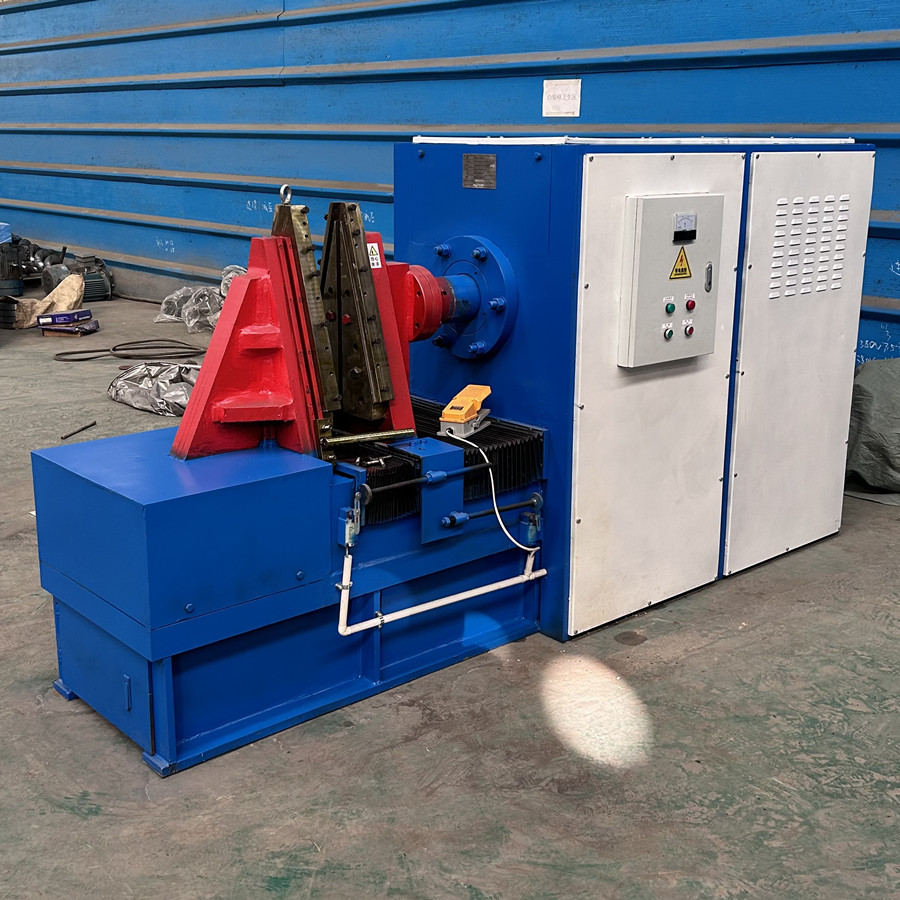
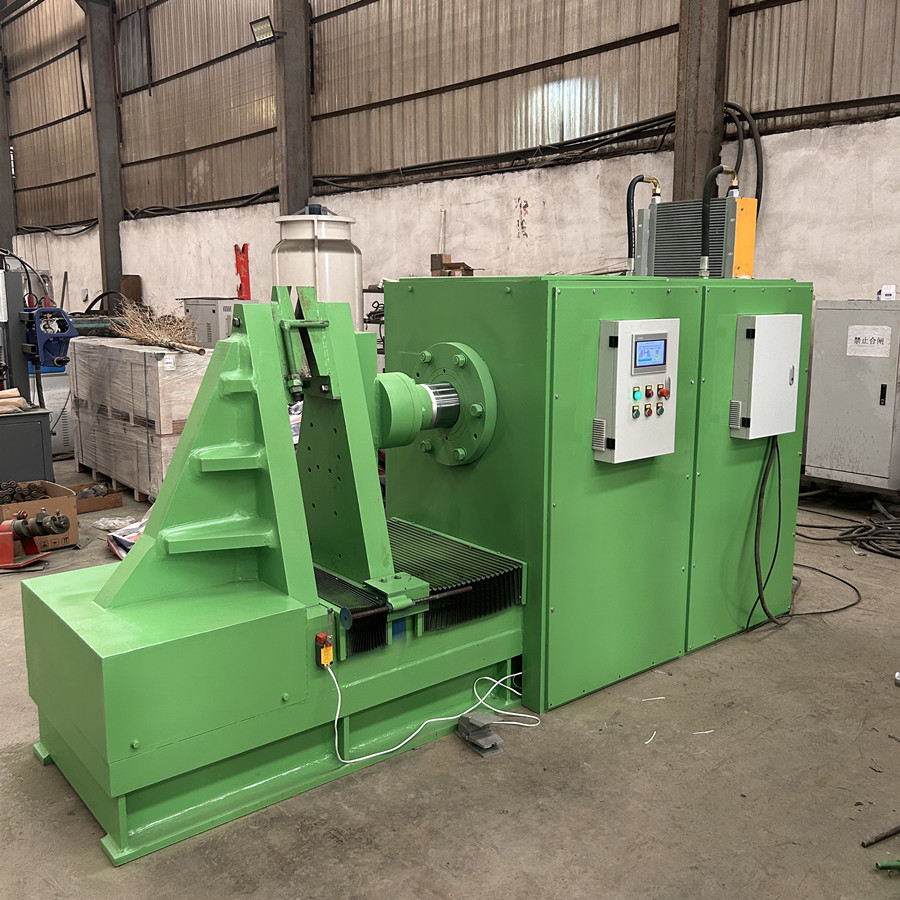
In terms of appearance, stainless steel auger flights should be designed to minimize indentations to maintain a beautiful appearance. When using the auger flight forming machine, it is best to use a universal mold as much as possible. The universal mold has a large contact surface, and the stainless steel auger flight is deformed uniformly during forming. The surface finishing will maintain the original metallic luster and no indentations will appear. If a blade-type mold is used for processing, there will be linear contact between the surface of the stainless steel auger flight and the mold. After pressing and forming, there will be indentations on the surface of the stainless steel auger flight, affecting the appearance of the finished product. To eliminate indentations, it is necessary to add a thin layer of steel plate to the surface of the blade mold. The steel plate is first extruded into shape, then fitted to the mold, and then process the stainless steel auger flights. In this way, there is also surface contact between the stainless steel auger flight and the mold, but the finished product will be free of indentations.